
Product Details
产品资料加载中...

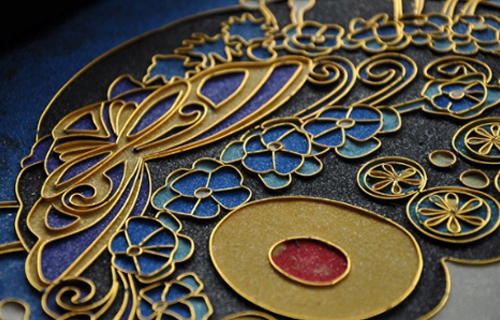 |
As early as the Shang and Zhou dynasties of ancient China, “celadon-glazed ware” fired with high-temperature glaze over a porcelain clay body was born, known as “primitive celadon.” Around the same period, in West Asia (Persia), where porcelain clay was unavailable, a “fired-enamel” technique of applying low-temperature glaze onto a metal body emerged. This technique, through the application of low-temperature glaze, broke through the limitations of color and artistic effect of inlaid decoration, giving new life to the ancient art of gold and silver inlay - this was “primitive fired enamel.” It was later introduced to China during the Tang and Song dynasties, where Chinese craftsmen absorbed and refined the enameling technique, carrying it forward with many improvements. |
|
With the progress of the Industrial Revolution, modern craftsmen repeatedly researched and transformed traditional enamel techniques. From the initial decorative enamel artworks using gold, silver and copper as base materials, the craft evolved into practical industrial enamel materials based on steel and alloy substrates, giving rise to high-quality enamel architectural decoration products. As a building decoration material that combines traditional culture with modern technology, enamel steel panels possess durability far superior to other metal decoration products, making them a new generation of premium architectural decoration materials. |
 |
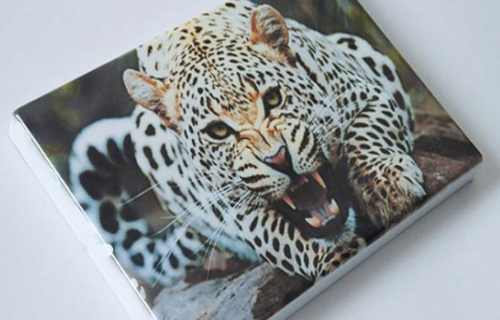 |
Enamel steel panel is a composite material formed by firmly bonding high-quality steel sheet with special functional inorganic non-metallic materials through a new electrostatic dry-powder enameling process and high-temperature firing, creating a strong chemical bond between the steel substrate and the special functional inorganic coating. Enamel steel panel — a new composite material in which inorganic vitreous material is fused onto the steel sheet and firmly bonded with it. |
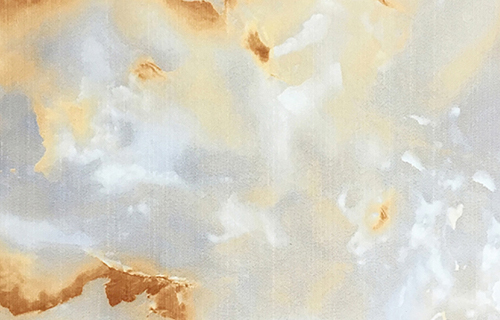
Characteristics of Enamel1. Hardness reaches Mohs 6.0, higher than steel yet lower than gemstones |
 |
 |
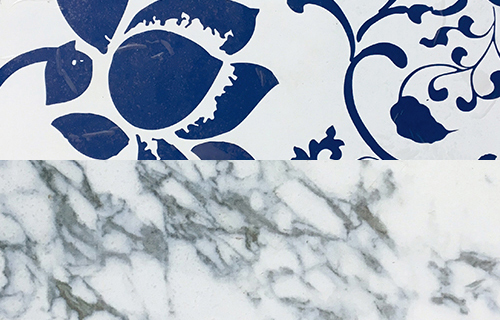 |
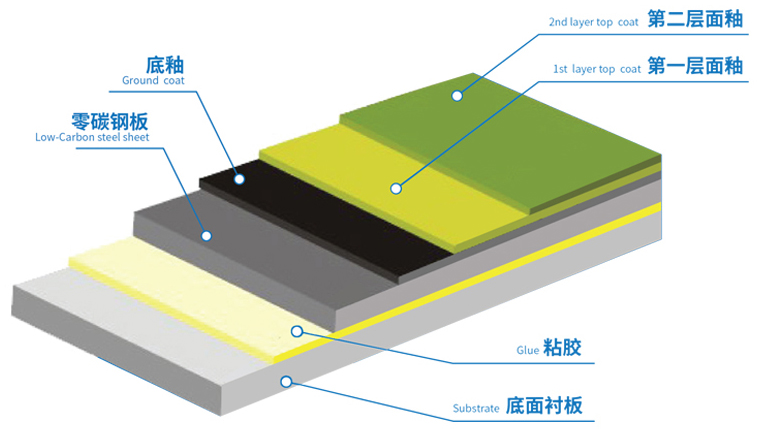
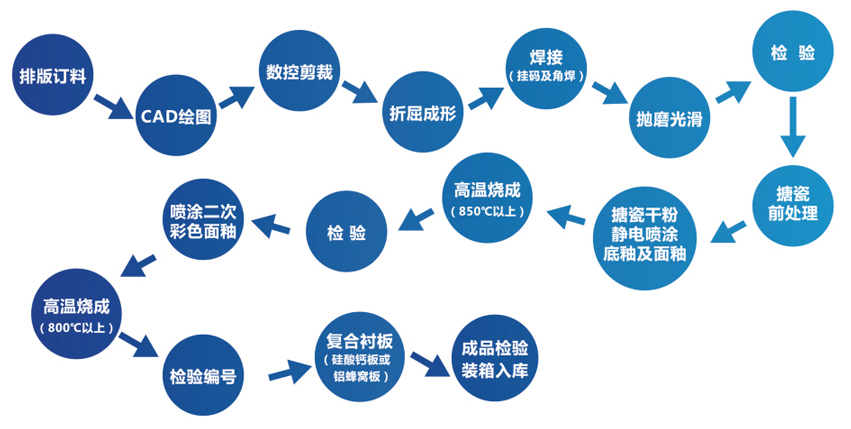
Flame Spray Test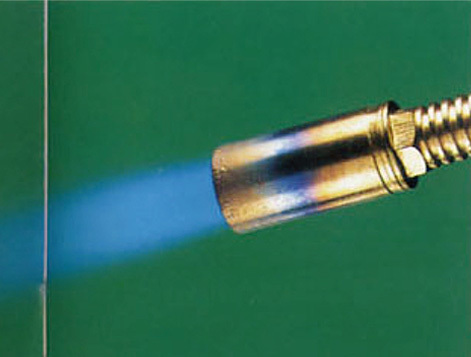
Direct flame spray on the enamel surface leaves the enamel undamaged. |
Hard Object Scratching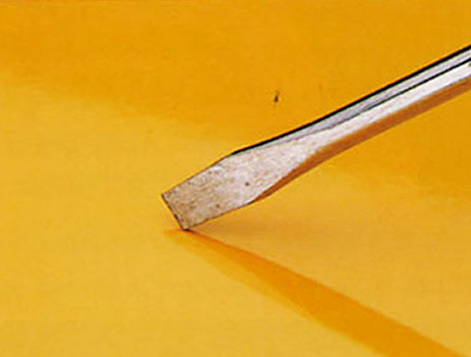
Scratching and rubbing with hard objects such as keys leaves the enamel undamaged. |
Organic Solvent Erosion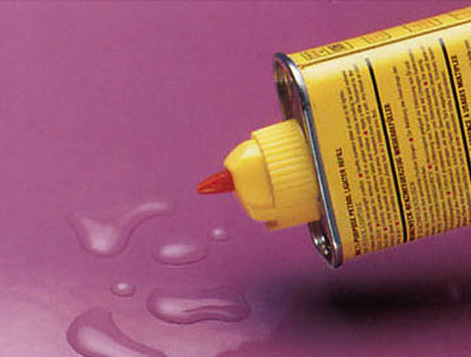
Organic solvent erosion on the enamel surface leaves the enamel undamaged. |
|
Prosperity Flower Pattern |
Enamel Landscape Painting |
|
Video failed to load. Please refresh the page and try again.
|
Video failed to load. Please refresh the page and try again.
|